The quick answer is: not very much!
Cape Verde has a beautifully sunny climate all year round, which is great for those who love warmer weather. Its a particularly great destination for those looking for some sunshine over the winter.
Though it rarely rains in Cape Verde, these nine volcanic islands do have a rainy season: from August through to October. However, the rain tends to come in short bursts, with warm and sunny weather in between the showers, so don’t let the rain put you off visiting during this time. You may want to avoid September though, because this is the month with the highest rainfall. If you visit during August or September, bear in mind that these are the hottest months, with temperature in mid to high twenties.
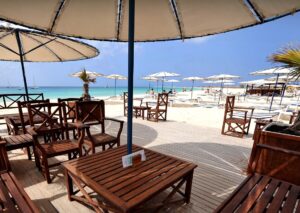
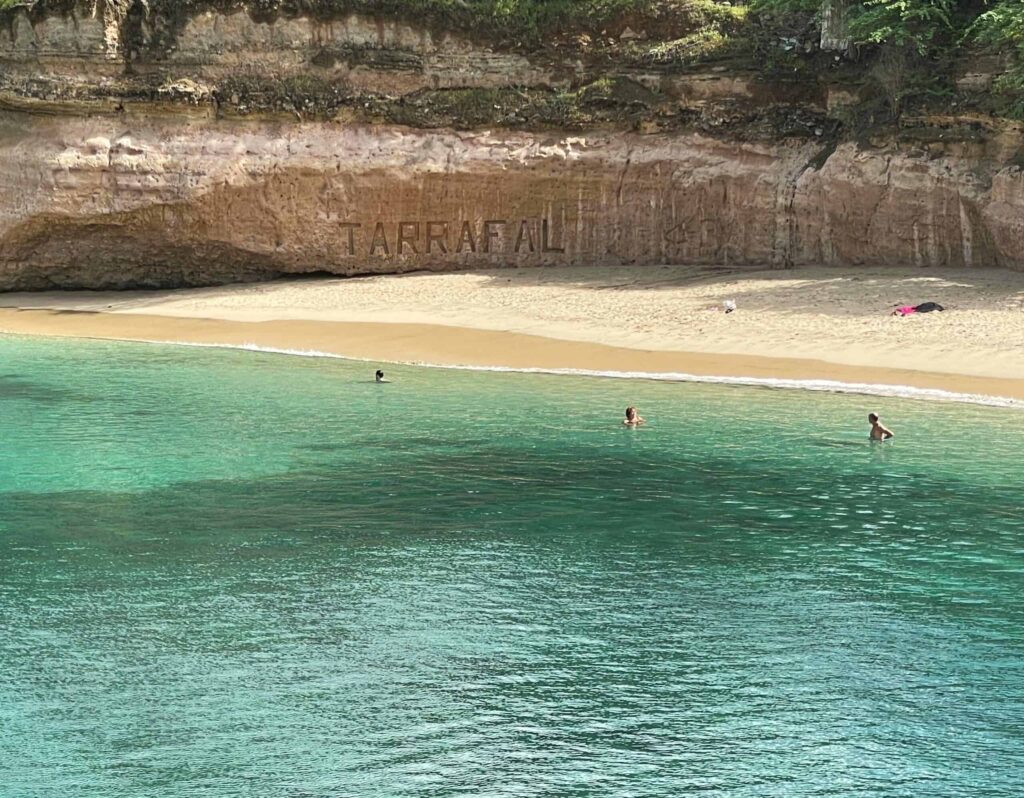
This lovely climate, paired with the incredibly beautiful beaches in Cape Verde, is a big part of the reason that people come here. Many are attracted to the beaches and luxury resorts on Sal, a great island to visit if you like a vibrant vibe and a good range of water sports on offer. As a company, we tend to steer our travellers towards the lesser know parts of Cape Verde, those really special beaches and authentic coastal towns, away from the crowds. Tarrafal, on the island of Santiago, is a good example. This pretty little fishing town is the perfect spot for some relaxations and snorkelling because it has a wonderful secluded bay.
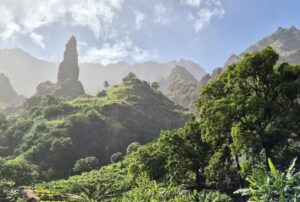
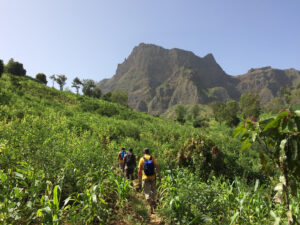
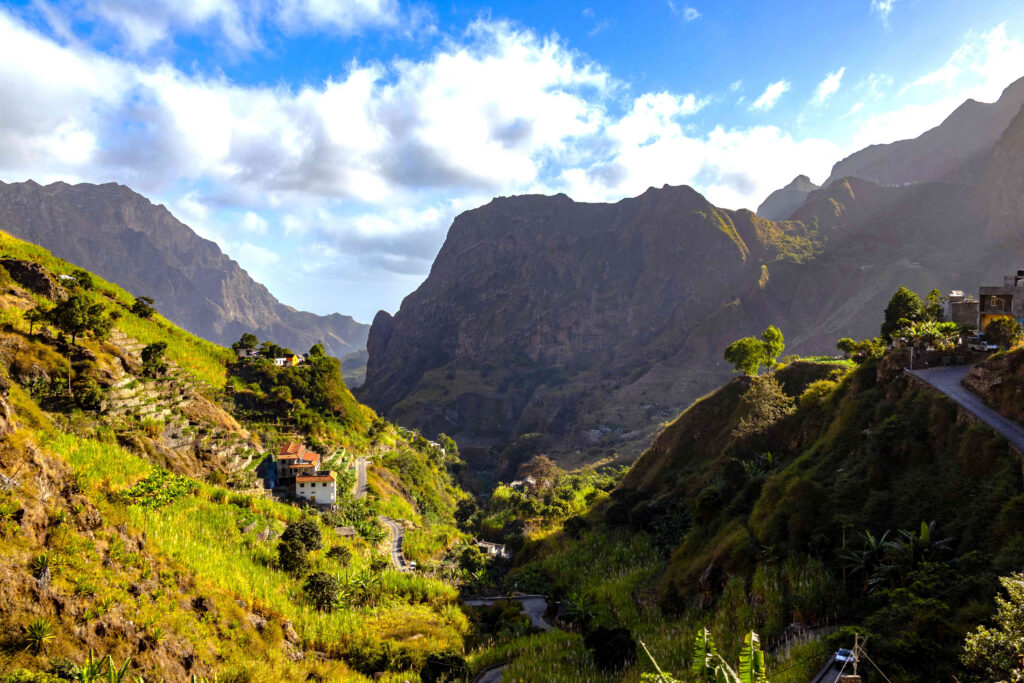
Visiting during or just after the rainy season means you will get to enjoy a much more lush, green landscape, and the fresh air that tends to come after an intense shower. There are lots of wonderful valley walks across the islands of Cape Verde and these will be especially lush. There are also some lovely waterfalls walks, with refreshing pools at the bottom for a cooling dip, so after the rainy season is often a nice time to visit.
November through to March is generally considered the optimum season to visit Cape Verde, when it’s dry and the temperatures are pleasantly warm. Through this period, temperatures are mostly in the low to mid twenties. And you can still enjoy those green valley walks, because the high mountain ranges attract their own moisture. The moisture that rolls in from the ocean tends to settle in the valleys and that, couple with the fertile volcanic soil, creates the perfect micro-climate for crops and tropical fruits, such as corn, sugar cane, and papaya.
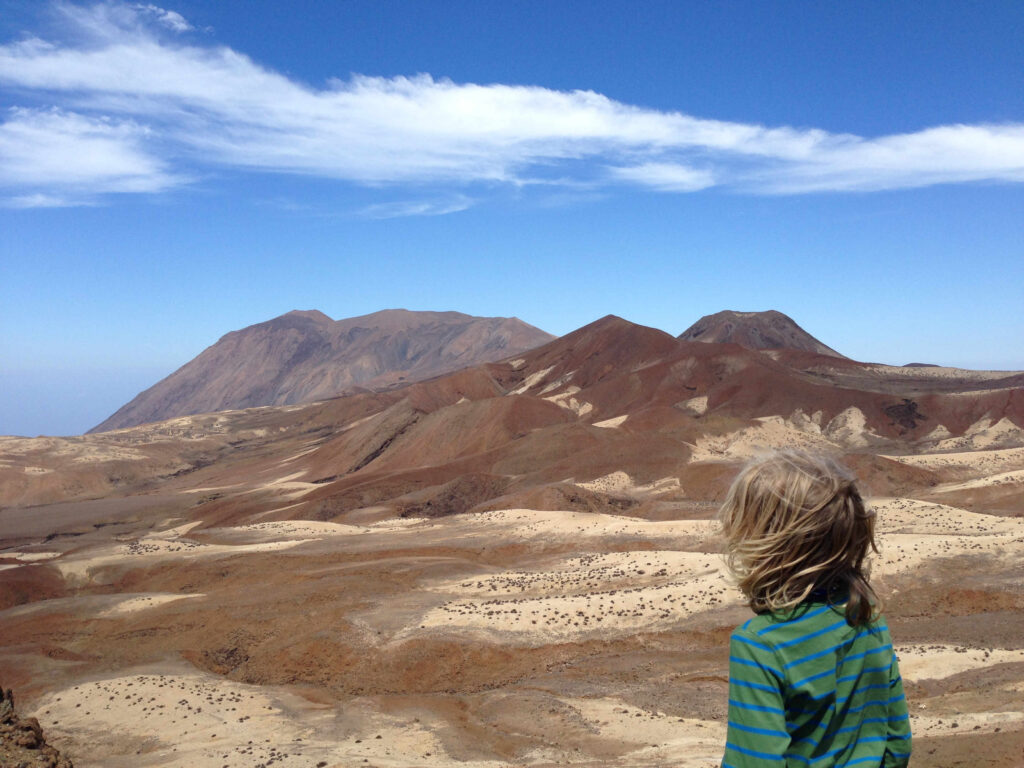
You could split the islands into distinct types. The closer you are to continental Africa the more arid and desert- like the landscape is, such as on the islands of Sal, Boavista and Maio. As you head further west towards Santiago, Fogo, Brava and Santo Anta, you’ll find the islands are more mountainous and have higher levels of rainfall (especially on the high points of the islands). To some degree, all of the islands have sections of arid landscape, with rolling dunes created from sand blown in from the Sahara, barren volcanic rock formations, and brown and rocky mountain tops. But the high mountains will always be able to offer that pop of green in amongst the long, pebbles roads that kick up the dust as your drive through.
And don’t forget, there are some fantastic walking trails in Cape. Its one of the best kept secrets on the tourist circuit, which means you can enjoy some incredible mountain walks and have the trail all to yourself.
If you want to enjoy Cape Verde’ dry and sunny climate, get in touch and we can arrange a holiday that is customised entirely for you. Jake and Max are the people to talk to: team@archipelagochoice.com