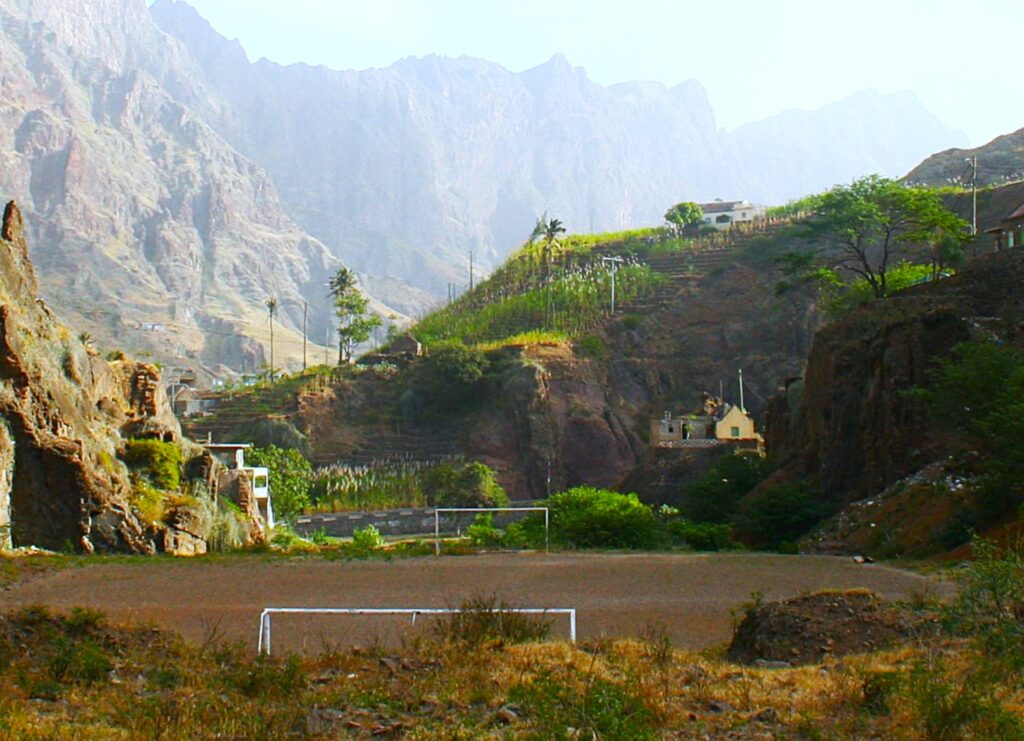
This week, Cape Verde made sporting history. For the first time ever, this small Atlantic nation will walk out onto football’s biggest stage — the World Cup. It’s a moment of huge pride for Cape Verdeans everywhere, and for a country of just over half a million people, it’s a remarkable achievement.
For most of the world, it will be the first time they’ve heard of Cape Verde at all. And while the headlines focus on football, those of us who’ve been lucky enough to travel here know the real story runs far deeper.
At Archipelago Choice, we’ve been helping travellers discover Cape Verde for over twenty years — long before the rest of the world started paying attention. We know that once the cheers fade, what stays with you isn’t the scoreline, but the spirit of the islands.
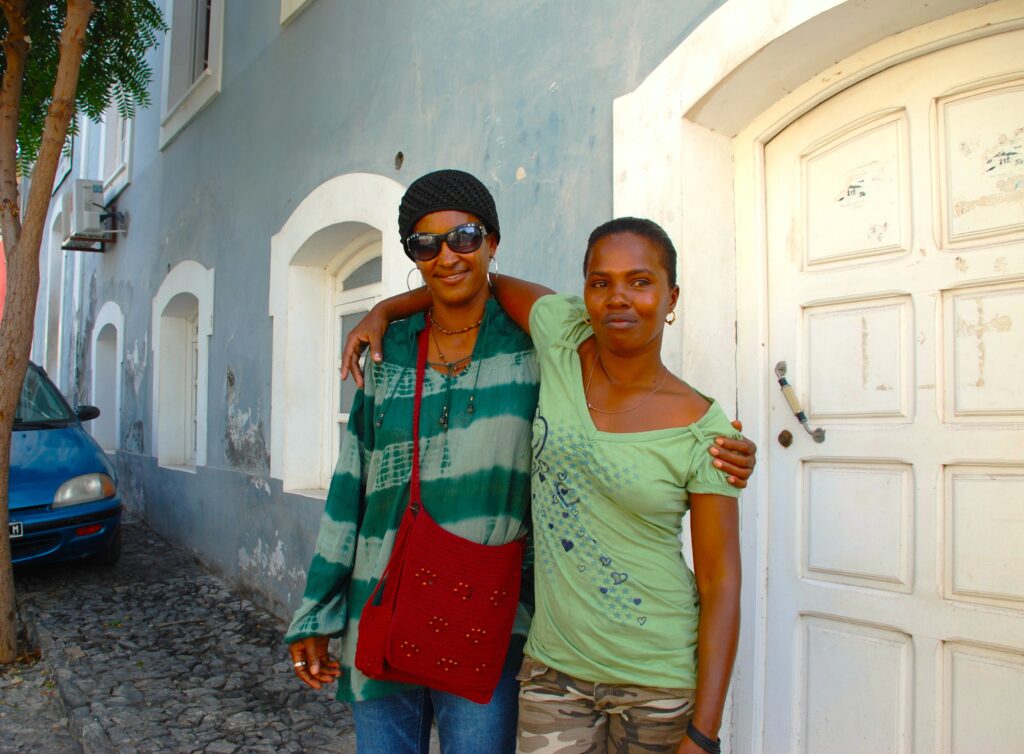
The locals call it morabeza: a warmth and hospitality that’s impossible to translate but instantly understood. It’s in every smile, every handshake, every “bom dia” as you walk through a village. And it’s what makes Cape Verde such a special place to visit — whether you come for a week on the beach, a walking holiday, or an island-hopping adventure.
Part of Cape Verde’s magic lies in its variety. Each island has its own landscape, rhythm and character — and no two feel quite the same.
Santo Antão’s lush green interior, with its terraced hillsides and deep valleys, is a dream for walkers. Jake’s favourite walks include the descent from Cova crater into the stunning Paul Valley. After a bumpy jeep ride to the crater rim, the trail leads through fertile farmland before zigzagging down into the breathtaking Paul Valley below.
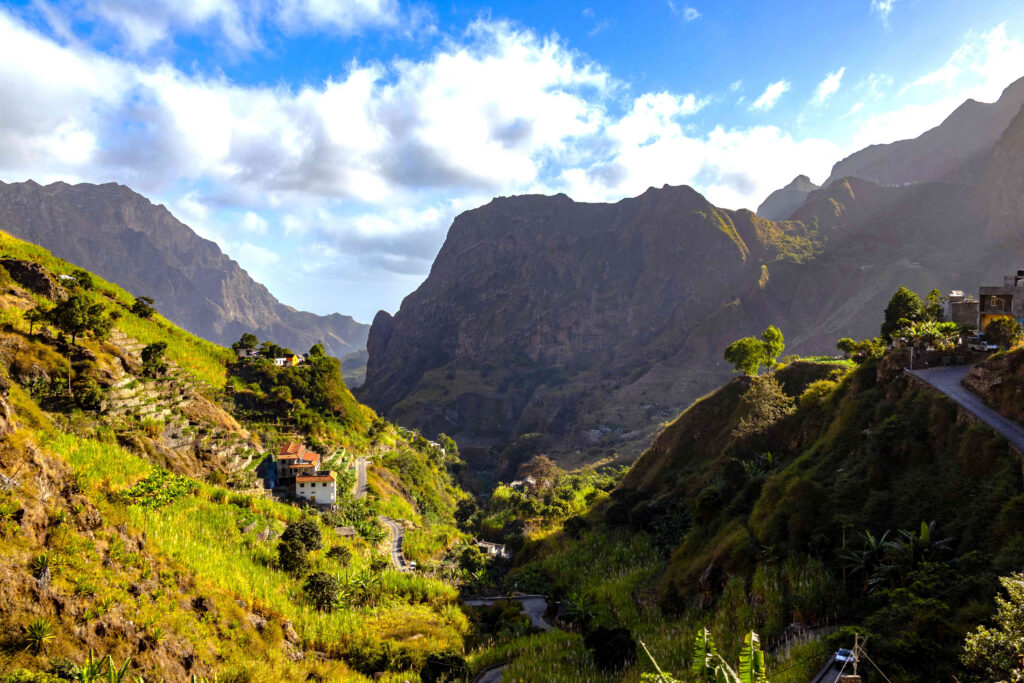
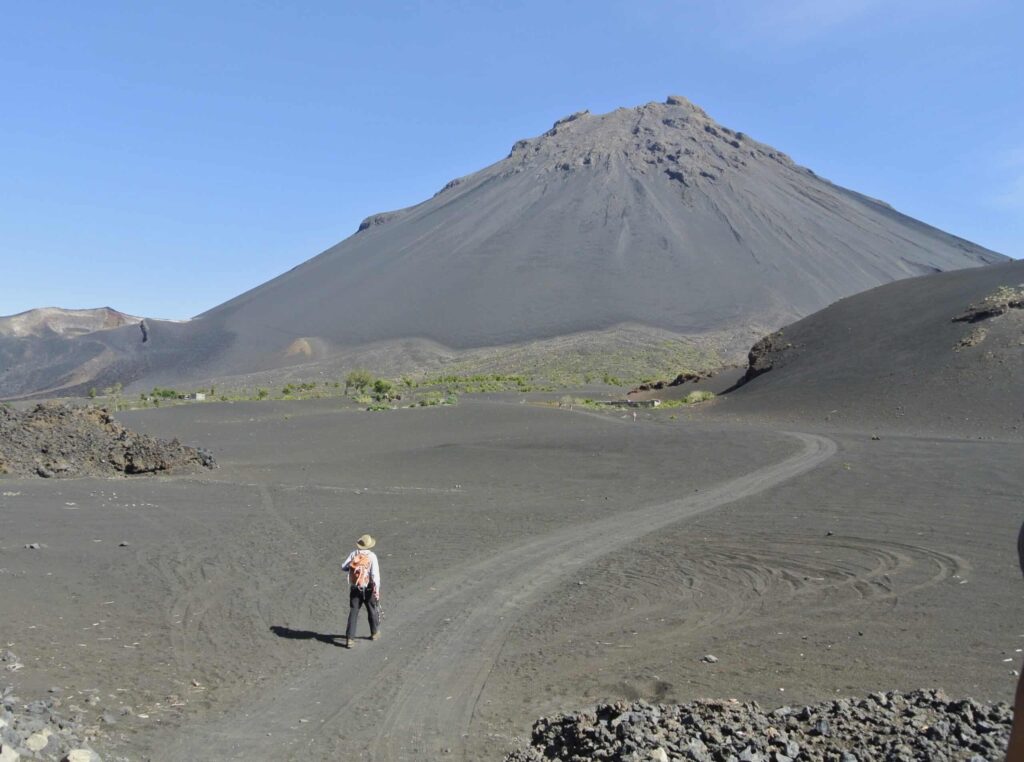
Among Jake’s other favourites are the route from Calabaceira down to Cidade Velha on Santiago, the circular hike around Monte Gordo on São Nicolau, the coastal path from Cruzinha to Ponta do Sol, and the climb up Mt Fogo across lava fields and vineyards.
On Fogo a perfect volcanic cone rises out of black lava fields. You can stay overnight in the Chã das Caldeiras village and catch sunrise over the Atlantic from 1,700 metres up. The relaxed pace of life here is infectious and there are lots of beautiful places to stay, amongst black sand beaches and pretty towns.
On Santiago, the largest island, history takes centre stage. In Cidade Velha, the first European colonial settlement in the tropics, you’ll find centuries of stories in the old fort, the cobbled lanes and the ruins that look out to sea. The capital, Praia, and the market town of Assomada show the vibrant, modern face of Cape Verdean life. At the northern tip of the island lies Tarrafal, a peaceful haven with a secluded sandy beach, and the Serra Malagueta Natural Park within easy reach.
And then there are the quieter islands — São Nicolau, Brava and Maio — often overlooked but full of charm. São Nicolau’s Monte Gordo Natural Park offers dramatic walks, while Maio’s long white beaches are perfect for those who want nothing more than sea, sand and stillness.
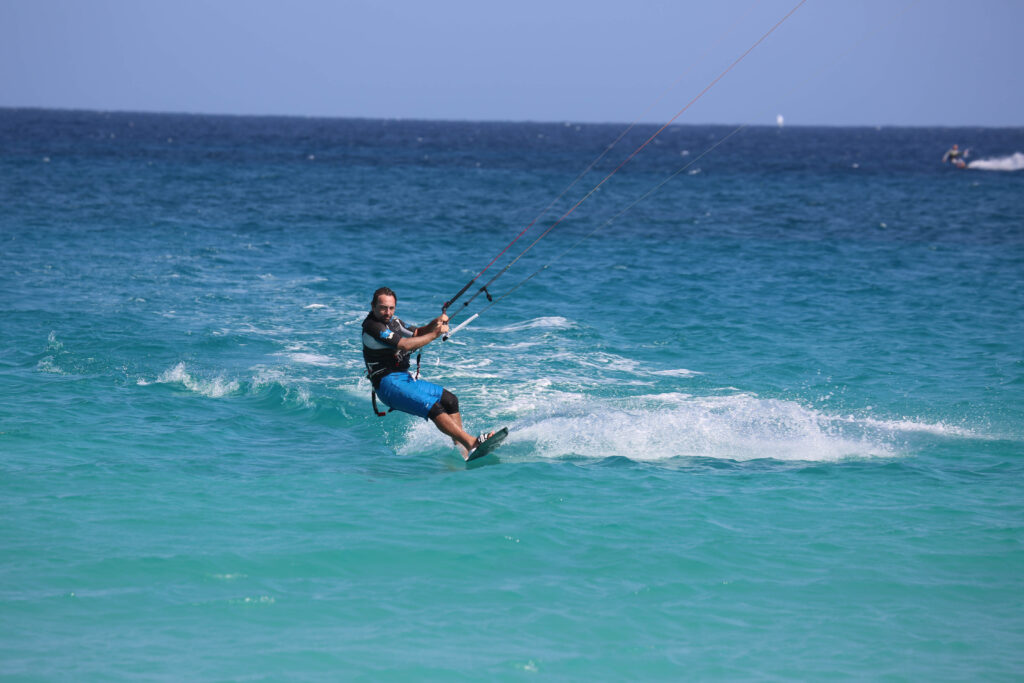
Sal and Boavista are still the main gateway islands for many visitors, especially those drawn to the beaches or keen to catch the strong winds for catamaran sailing, kitesurfing, or windsurfing. But step away from the main resorts, and you’ll find quiet fishing villages, wild dunes and that same sense of space and welcome that defines every island in the archipelago.
Each offers something different: a change in light, a shift in landscape, a moment to stop and talk with people who live at a pace most of us have forgotten.
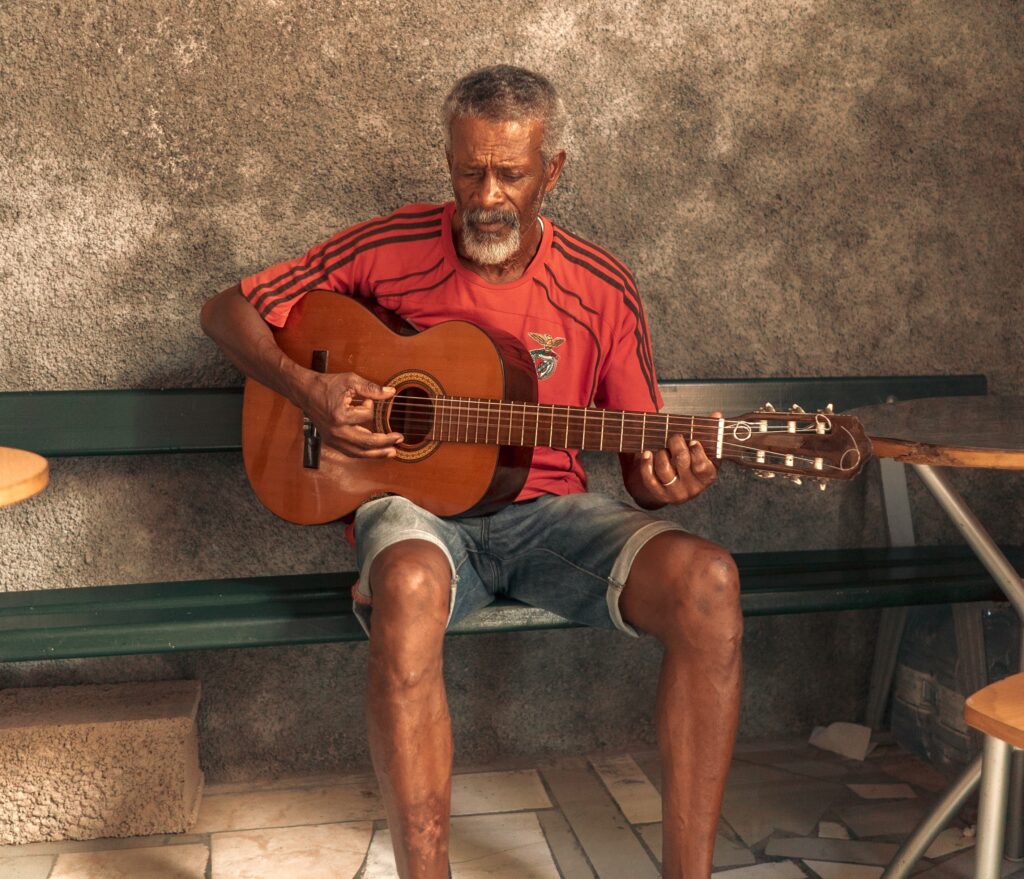
The world might have just discovered Cape Verde’s football talent, but its music is its most celebrated heritage. This is particularly true in Mindelo on São Vicente, where nightlife spills into the streets with guitars, drums, and dancing. The island comes alive during Cape Verde Carnival, with colourful parades and samba beats filling the streets. Mindelo pulses with a cultural mixing pot of sounds, from nostalgic tones of morna to harmonic coladeira, once sung by the much-celebrated singer Cesária Évora. Wander Mindelo’s cobbled lanes, explore by jeep, and enjoy grilled fish and cold Strela beer by the waterfront.
Wherever you travel, that morabeza — that easy, genuine kindness — stays with you. It’s what keeps our travellers returning again and again.
The world is about to see Cape Verde in a new light. For us, it’s a chance to share the islands we know so well with a wider audience — and to show that beyond the beaches and the headlines, there’s a country rich in nature, culture and heart.
So yes, the football is worth celebrating. But once the final whistle blows, the real adventure begins.